Property investment can be a rewarding way to build long-term financial growth when approached with the right strategies. Maximizing returns involves careful planning, smart decision-making, and consistent management practices. By focusing on key areas, investors can improve income potential and enhance overall property value over time.
Choose Properties with Strong Growth Potential
Selecting a property with promising future value is one of the most important steps in achieving better returns. Look for areas showing signs of development, increasing demand, and improving infrastructure. Properties with long-term appeal often experience steady appreciation, creating greater opportunities for profit.
Key Considerations
- Future development prospects
- Growing demand from buyers and tenants
- Accessibility and convenience
- Long-term market stability
Focus on Property Maintenance
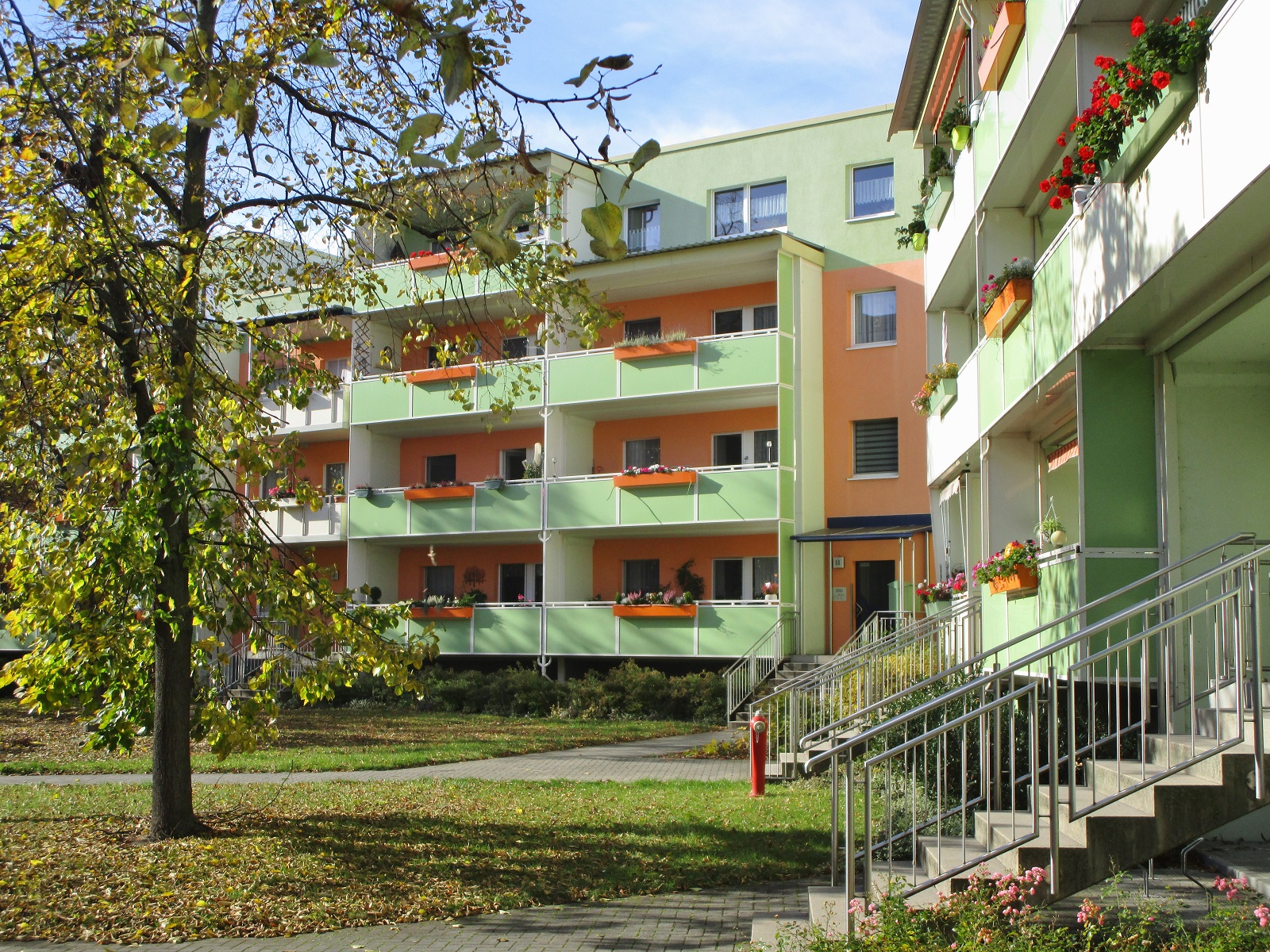
Well-maintained properties tend to attract quality tenants and retain value more effectively. Regular inspections and timely repairs help prevent minor issues from becoming costly problems. A property that remains in excellent condition often commands higher rental income and stronger resale value.
Benefits of Regular Maintenance
- Improved tenant satisfaction
- Reduced repair expenses over time
- Better property appearance
- Increased market value
Enhance the Property’s Appeal
Strategic improvements can significantly property investment advisor boost both rental income and resale potential. Modern features, updated interiors, and functional layouts can make a property more attractive to prospective occupants. Even small upgrades can create a positive impression and increase overall desirability.
Valuable Improvements
- Updated fixtures and finishes
- Energy-efficient features
- Improved storage solutions
- Enhanced curb appeal
Maintain Competitive Rental Rates
Setting the right rental price helps maximize occupancy while generating steady income. A balanced approach ensures the property remains attractive to potential tenants without sacrificing profitability. Regular reviews of rental rates can help align income with market conditions.
Rental Optimization Tips
- Monitor local demand trends
- Review pricing periodically
- Offer well-maintained living spaces
- Encourage long-term occupancy
Manage Expenses Effectively
Controlling operational costs is essential for improving investment returns. Tracking expenses and planning budgets carefully can help increase overall profitability. Efficient spending allows investors to allocate resources toward improvements that add lasting value.
Cost Management Strategies
- Schedule preventive maintenance
- Plan annual budgets
- Monitor utility expenses
- Prioritize value-adding upgrades
Build Strong Tenant Relationships
Positive tenant relationships contribute to stable occupancy and consistent rental income. Prompt communication and professional management practices encourage tenant satisfaction and retention. Long-term tenants can reduce vacancy periods and associated costs.
Ways to Improve Tenant Retention
- Respond quickly to concerns
- Maintain clear communication
- Keep the property in good condition
- Foster a positive rental experience
Review Investment Performance Regularly
Monitoring performance helps identify opportunities for improvement and growth. Evaluating income, expenses, occupancy rates, and property value provides valuable insights for future decisions. Consistent reviews enable investors to adapt strategies and maximize returns more effectively.
Performance Metrics to Track
- Rental income growth
- Occupancy levels
- Maintenance costs
- Property value appreciation
Conclusion
Maximizing returns on property investments requires a combination of smart purchasing decisions, effective management, regular maintenance, and ongoing performance evaluation. By focusing on property quality, tenant satisfaction, expense control, and long-term growth opportunities, investors can strengthen profitability and create lasting financial success from their investments.